ATM Scams
Automated Teller Machine (ATM) fraud is a growing threat where criminals use advanced techniques to steal your card details and money. This document provides essential information to help you recognize, prevent, and respond to ATM fraud. It includes descriptions for images to enhance understanding on your website.
ATM fraud involves criminals using devices or tactics to steal your card information or PIN, enabling unauthorized withdrawals or purchases. Common methods include:

Types Of ATM Scams
• Skimming
ATM Skimming is a type of fraud where criminals attach hidden devices to ATMs to steal card data and PINs. A skimmer is placed over the card slot to copy the card’s magnetic stripe, while a tiny camera or fake keypad records the PIN. The stolen information is then used to create duplicate cards or make unauthorized transactions. These devices are often hard to detect. To stay safe, always inspect ATMs for unusual attachments, cover the keypad when entering your PIN, use ATMs in secure locations, and regularly check your bank account for suspicious activity. Report issues to your bank immediately.
• Card Trapping
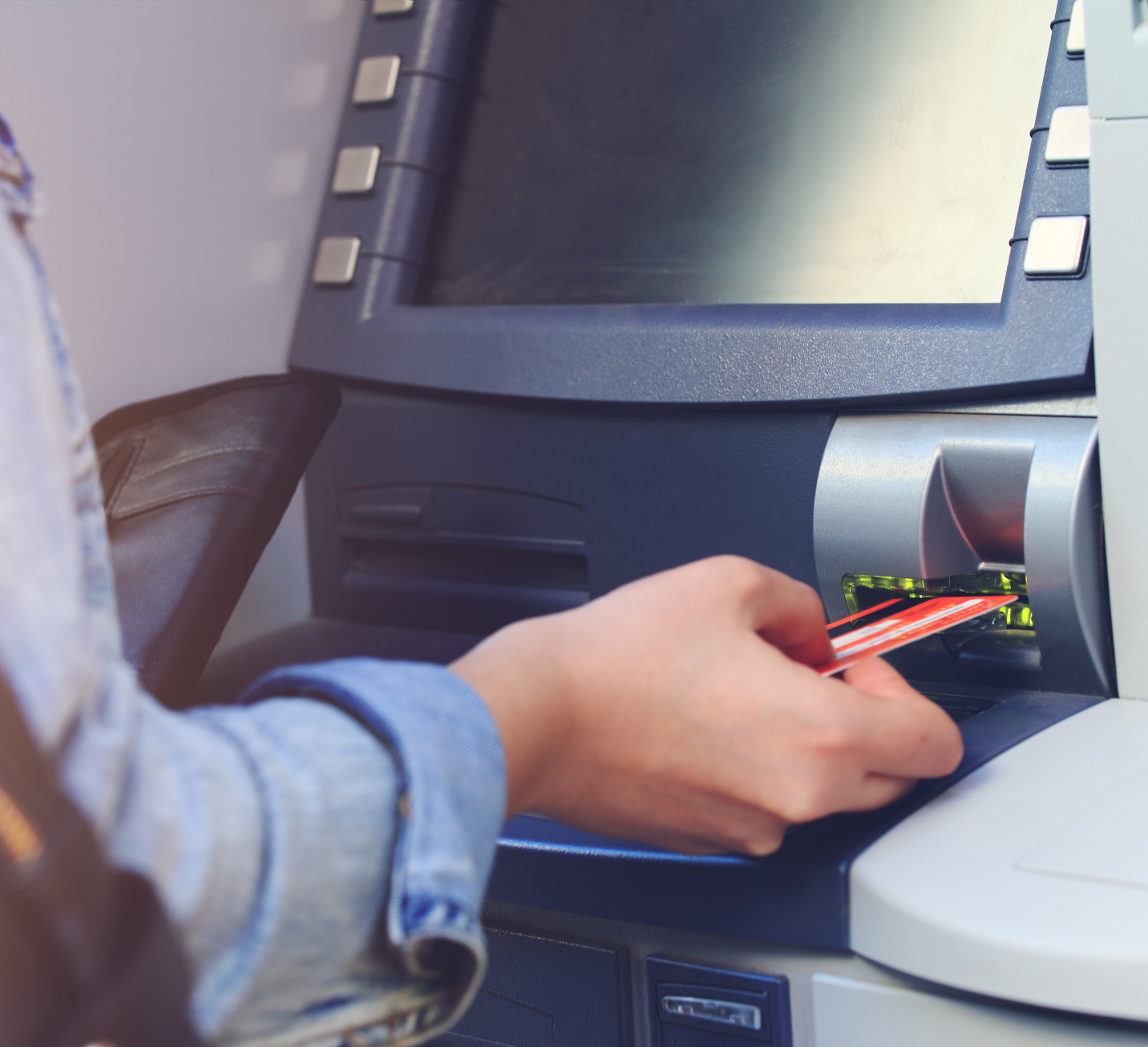
Card Trapping is an ATM scam where a device is placed in the card slot to trap your debit or credit card. After inserting the card, it gets stuck and doesn’t come out. While you assume it's a machine error, the scammer may retrieve the card later and use it, especially if they have seen your PIN. Criminals often watch nearby or pose as helpful strangers to learn your PIN. To stay safe, never leave the ATM if your card is trapped, don’t accept help from strangers, shield your PIN while typing, and report or block your card immediately.
• Shimming
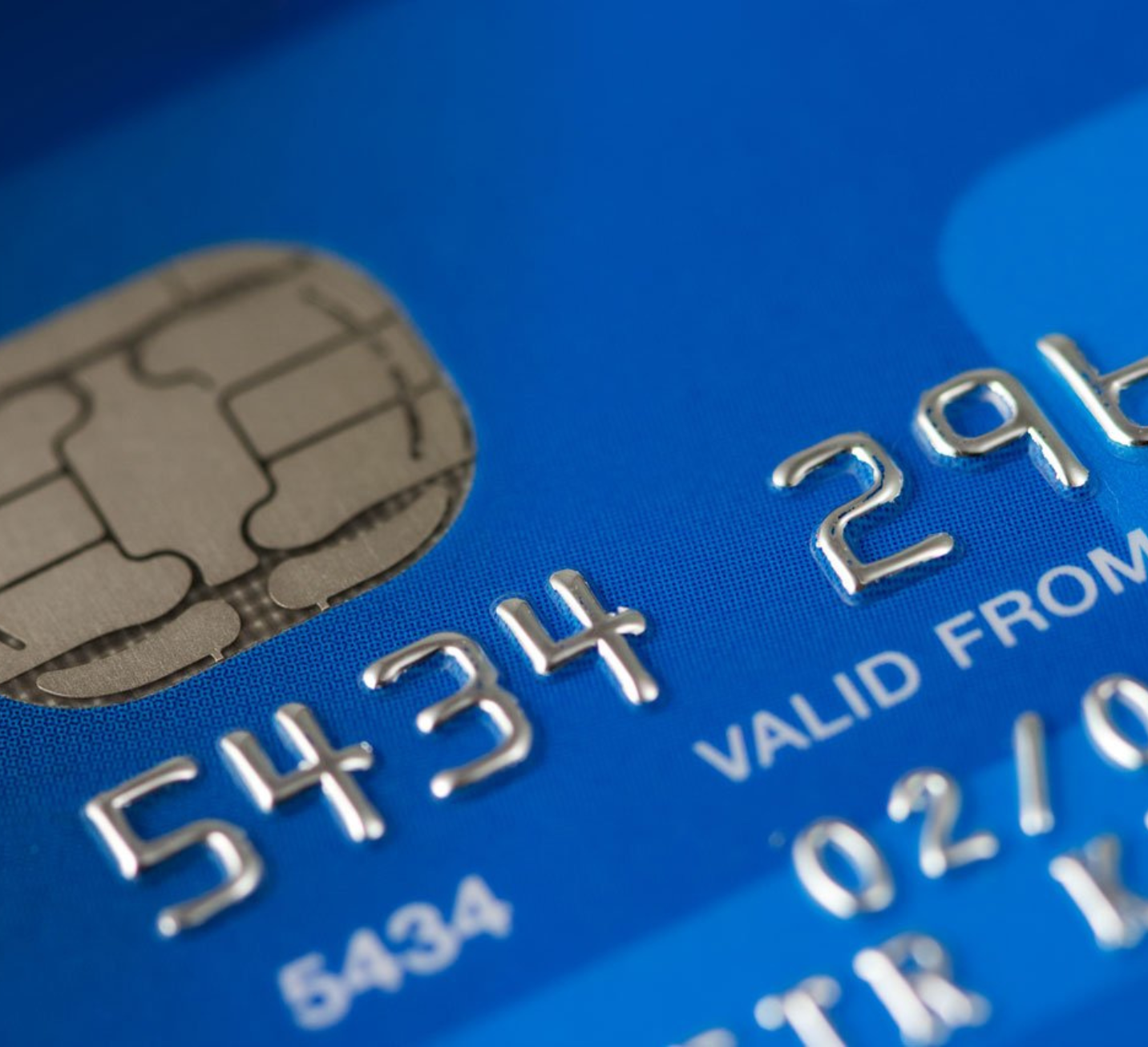
Shimming is a modern type of card fraud where criminals insert a thin device, called a shim, into an ATM or point-of-sale card reader to steal data from chip-enabled cards. Unlike skimming, which targets magnetic stripes, shimming captures information from the chip, which may be used for unauthorized transactions. The shim is nearly invisible and fits inside the card slot, making it hard to detect. To protect yourself, use ATMs in secure, well-lit locations, never force your card into a slot, and regularly check your bank statements for suspicious activity. Enabling transaction alerts can also help detect fraud early.
ATM Scams Alert
How to Stay Safe at ATMs
Inspect the ATM
Check the card reader and keypad for loose or fake parts.
Look for hidden cameras, unusual slots, or sticky residue.
Protect Your PIN
Cover the keypad when entering your PIN.
Use ATMs in well-lit, secure places, preferably inside banks.
Monitor Your Accounts
Review bank statements regularly for unauthorized transactions.
Enable alerts through your bank’s app or SMS.
Be Cautious
Don’t accept help from strangers at ATMs.
Use bank-operated ATMs instead of standalone machines.
Use Secure Options
Choose cardless withdrawals if your bank offers them.
What to Do If You Suspect ATM Fraud
Act Fast
Contact your bank immediately using the number on your card to report suspicious activity and freeze your account.
Report It
Notify local police and report to the FBI’s IC3 website for fraud cases.
Gather Evidence
Take photos of suspicious devices if safe, but don’t touch them.
Keep bank statements showing unauthorized charges.
Protect Your Account
Change your PIN and request a new card.
Monitor your credit report for fraud.
Know Your Rights
Most banks offer zero liability for fraud reported within 60 days. Investigations usually take one to ten days, but may take up to 45 days.